
09 Jul Chiropractic for Headaches: Causes, Types & Treatment
Chiropractic for Headaches: Causes, Types & Treatment
Most headaches are not caused by a serious medical problem. So what is the involvement of chiropractic for headaches? Most improve when the underlying cause is identified and treated appropriately. If your headaches are related to tension in the muscles and joints of your neck, poor posture, or restricted spinal movement, chiropractic care may help reduce both their frequency and intensity while improving how your neck functions.
If you’ve ever found yourself rubbing the base of your skull after a long day at work or reaching for pain medication every week, you’re not alone. Headaches affect millions of Australians every year, yet many people simply accept them as something they have to live with.
The good news is that headaches are often manageable. Understanding why you’re getting them is the first step toward lasting relief.
Why do I keep getting headaches?
This is one of the most common questions patients ask when they visit Northcote Chiropractic Centre.
A headache is not a diagnosis—it’s a symptom. Think of it as your body’s way of telling you that something needs attention. The challenge is identifying what that something is.
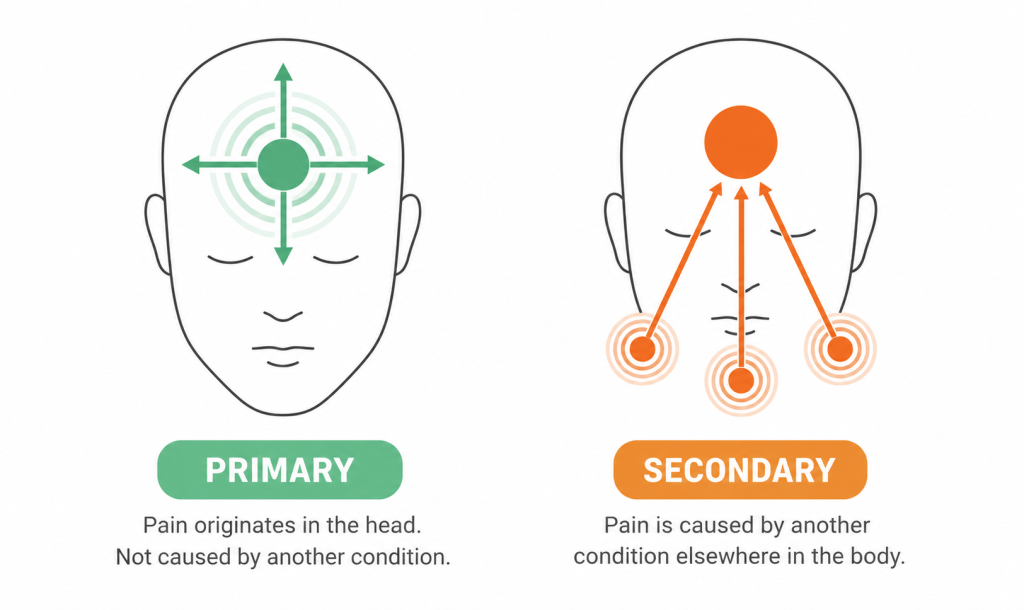
Headaches are classified into Primary and Secondary categories. A Primary headache is a stand-alone medical condition affecting pain sensitive structures in the head. Think migraine, trigeminal, cluster or even exercise-induced headaches. Secondary headaches can include trauma, substance abuse, infection and disorders of the head or neck.
#image_title
Some headaches originate from the structures of the neck, while others are influenced by lifestyle, stress, sleep, dehydration or underlying medical conditions.
Common causes include:
- Muscle tension in the neck and shoulders
- Poor posture while working at a computer
- Prolonged use of phones and tablets
- Reduced movement in the joints of the neck
- Stress and anxiety
- Jaw clenching or teeth grinding
- Poor sleep quality
- Dehydration
- Eye strain
- Migraine disorders
Because there are many possible causes, successful treatment depends on identifying the source rather than simply masking the pain.
In our clinic, one of the first goals is determining whether your headache is musculoskeletal, meaning it arises from muscles, joints and nerves in the neck, or whether another cause requires a different approach.
What types of headaches can chiropractic help?
Not every headache responds to chiropractic care.
That’s why a thorough examination is essential before treatment begins.
The three most common headache types we see are:
Tension-type headaches
These are by far the most common.
Patients often describe them as:
- a tight band around the head (both sides)
- pressure/tightening behind the eyes (non-pulsatile)
- aching across the forehead – mild to moderate in intensity
- stiffness through the neck lasting from 30 minutes to a week
- Not worsened by regular physical activity such as walking
Tension headaches frequently develop gradually throughout the day.
Tension-type headaches are often called “muscle-contraction” headaches and can be caused by:
- stress
- poor posture
- neck flexion while using phones and laptops
- poor quality sleep
- Central and peripheral nerve sensitization
Many people notice they are worse after:
- working at a computer
- driving
- gardening
- long meetings
- stressful periods at work
Fortunately, these headaches often respond well to improving neck mobility, muscle function and posture.
Cervicogenic headaches
This simply means a headache originating from the neck.
The pain is referred from joints, muscles or nerves in the cervical spine.
- pain beginning at the base of the skull
- discomfort on one side
- headache made worse by turning the head
- reduced neck movement
- neck stiffness
- pain travelling toward the forehead or eye
Many patients are surprised to learn that the source of their headache is actually in their neck. There is a complex mechanism that produces this pain type.
We’ll explore this topic in much greater detail in our upcoming article:
➡ Are My Headaches Coming From My Neck?
Migraine headaches
Migraines are different from tension headaches.
They often involve changes within the nervous system and may include:
- throbbing pain
- nausea
- vomiting
- sensitivity to light
- sensitivity to sound
- visual disturbances
Chiropractic is not a cure for migraines.
However, if neck dysfunction contributes to migraine frequency or severity, improving cervical spine function may form one part of a broader management plan alongside your GP or neurologist.
If your migraines are changing, becoming more severe or are associated with unusual neurological symptoms, medical assessment is essential.
Can neck problems really cause headaches?
Yes.
In fact, this is something we see regularly.
The upper three joints of the neck share, in the brain stem, nerve pathways that supply the head. When these neck joints become irritated or don’t move normally, the brain can interpret those signals as head pain rather than neck pain because of the shared neural structures.
This explains why someone may feel perfectly normal in their neck yet experience persistent headaches.
Common contributors include:
- prolonged desk work
- looking down at phones
- previous whiplash injuries
- sleeping in awkward positions
- poor postural endurance
- repetitive overhead work
One patient recently commented,
“I came in because I thought I had headaches. I left realising I actually had a neck problem.”
That experience isn’t unusual.
Rather than chasing the headache itself, we aim to identify what is driving it.
We’ll cover this in more detail in our article:
➡ Are My Headaches Coming From My Neck?
How do chiropractors determine what’s causing a headache?
Every headache assessment starts with listening carefully to your story.
The answers you give often provide important clues about the source of your symptoms.
During your consultation we’ll ask questions such as:
- When did the headaches begin?
- Where do you feel the pain?
- How often do they occur?
- What makes them worse?
- What relieves them?
- Have they changed recently?
- Have you experienced trauma?
- Are there any warning signs?
We then perform a physical examination, which may include:
- posture assessment
- neck movement testing
- muscle examination
- joint mobility assessment
- neurological testing
- orthopaedic testing when indicated
The goal isn’t simply to confirm that you have headaches.
It’s to understand why you’re getting them.
Only then can we develop a treatment plan that addresses the underlying problem.
When are headaches a sign that I should seek urgent medical attention?
Thankfully, serious causes of headaches are uncommon.
However, some headaches require immediate medical assessment rather than chiropractic care.
Seek urgent medical attention if your headache:
- develops suddenly and is the worst headache you’ve ever experienced – “thunderclap” headache
- follows significant head trauma
- is accompanied by weakness or numbness
- causes difficulty speaking
- affects your vision suddenly
- is associated with fever and neck stiffness
- causes confusion
- occurs with loss of consciousness
- is associated with seizures
These symptoms indicate a condition requiring emergency medical treatment.
At Northcote Chiropractic Centre, your safety always comes first. If we suspect your headache is not musculoskeletal, we will refer you promptly to the appropriate healthcare provider.
Chiropractic for headaches. How does it help?
The goal of chiropractic care is not simply to reduce headache pain. Instead, we aim to identify and address the musculoskeletal factors that may be contributing to your headaches.
If your headaches are related to neck stiffness, muscle tension or poor joint movement, treatment focuses on improving how your neck functions. As your neck moves better and the surrounding muscles become less irritated, many people notice their headaches become less frequent, less intense or shorter in duration.
Your treatment plan may include:
- Gentle chiropractic adjustments to restore joint movement
- Soft tissue therapy to reduce muscle tension
- Postural advice
- Stretching and strengthening exercises
- Ergonomic recommendations for work and home
- Lifestyle advice to reduce common headache triggers
Importantly, no two patients receive exactly the same care. Your treatment should reflect your diagnosis, lifestyle and goals.
What happens during a chiropractic appointment for headaches?
Many new patients feel unsure about what to expect during their first visit. That’s perfectly normal.
At Northcote Chiropractic Centre, we take the time to understand both your headaches and how they affect your daily life before recommending any treatment.
A typical appointment includes:
A detailed history
We’ll ask questions such as:
- When did the headaches begin?
- Where is the pain located?
- How often do they occur?
- What makes them worse?
- What helps them settle?
- Have you had previous neck injuries?
- Have you experienced migraines before?
Your answers often provide valuable clues to the source of your symptoms.
A thorough examination
This may include:
- Posture assessment
- Neck movement testing
- Muscle strength testing
- Neurological examination
- Joint mobility assessment
- Orthopaedic testing where appropriate
If anything suggests your headaches require medical investigation rather than chiropractic care, we’ll explain why and arrange the appropriate referral.
Individualised treatment
If chiropractic care is appropriate, we’ll explain:
- Your diagnosis
- Why the headaches are occurring
- Our treatment recommendations
- Expected recovery time
- What you can do at home to help yourself
We believe patients make better decisions when they understand what’s happening and why.
Does the research support chiropractic for headaches?
Research suggests that chiropractic care can be beneficial for some people with certain types of headaches, particularly cervicogenic headaches and some tension-type headaches.
Current evidence indicates that a combination of manual therapy, exercise and education may help reduce headache frequency and improve function in appropriately selected patients.
However, it’s important to be realistic.
Chiropractic is not a cure for every headache.
For example:
- Migraine management often requires a multidisciplinary approach.
- Medication-overuse headaches need different treatment.
- Headaches caused by underlying medical conditions require medical care.
This is why an accurate diagnosis matters more than simply treating symptoms.
Our role is to determine whether your headache is likely to respond to chiropractic care and, if not, guide you towards the most appropriate healthcare provider.
Can poor posture cause headaches?
Yes, it certainly can.
Poor posture places sustained stress on the muscles and joints of the neck.
Over time, these tissues can become overloaded, leading to pain that is felt in the head rather than the neck itself.
This is especially common in people who:
- Work on computers all day
- Spend long periods using smartphones
- Drive for extended periods
- Sit with rounded shoulders
- Work from poorly designed home offices
The modern workplace has dramatically increased the number of people experiencing posture-related headaches.
Fortunately, posture is one of the most modifiable risk factors.
Small improvements made consistently often produce meaningful results. Chiropractic for headaches of a postural cause are very helpful.
We’ll explore this topic in depth in our upcoming article:
➡ Can Poor Posture Cause Headaches?
Could my pillow or sleeping position be causing my headaches?
Sometimes.
Many patients wake feeling well, only to develop headaches within an hour of getting out of bed. Others wake with a headache already present.
Several factors may contribute, including:
- Sleeping with excessive neck rotation
- A pillow that’s too high or too low
- Jaw clenching during sleep
- Poor mattress support
- Existing neck stiffness
While changing your pillow isn’t a cure-all, improving your sleeping position can reduce unnecessary strain on your neck.
We’ll cover this in our upcoming article:
➡ Why Do I Wake Up With a Headache?
What lifestyle habits can help reduce headaches?
Treatment doesn’t stop when you leave the clinic.
The habits you practise every day often have the greatest influence on your long-term results.
Here are several evidence-informed strategies that may help reduce headache frequency.
Keep moving
Movement nourishes joints, reduces muscle tension and improves circulation.
Aim to change position every 30 to 45 minutes if you work at a desk.
Even standing for a minute or taking a short walk can make a difference.
Improve your workstation
Simple changes can reduce unnecessary strain on your neck.
Consider:
- Raising your monitor to eye level
- Supporting your lower back
- Keeping your elbows close to your body
- Positioning your keyboard comfortably
- Taking regular movement breaks
Good ergonomics won’t eliminate every headache, but they often reduce one important contributing factor.
Stay hydrated
Dehydration is a surprisingly common headache trigger.
Keep water nearby throughout the day and drink regularly, particularly during hot weather or after exercise.
Manage stress
Stress doesn’t just affect your mind.
It often causes:
- Shoulder tension
- Jaw clenching
- Muscle tightness
- Poor sleep quality
Helpful strategies include:
- Regular exercise
- Deep breathing
- Walking
- Mindfulness
- Spending time outdoors
- Maintaining social connections
Exercise regularly
Regular physical activity improves blood flow, strengthens postural muscles and helps reduce stress.
For most patients, consistency is far more important than intensity. The Simple Daily.
We’ll discuss this further in:
➡ What Are the Best Exercises for Headache Relief?
Should I rest when I have a headache?
Not always.
If your headache is associated with illness, fever or migraine, rest is completely appropriate.
However, for many neck-related headaches, prolonged inactivity can actually make stiffness worse.
Gentle movement, light walking and simple neck mobility exercises are often more helpful than spending the entire day lying down.
The key is choosing activities that don’t aggravate your symptoms.
Can headaches come back after treatment?
They can.
Much like back pain, headaches are influenced by daily habits.
If the underlying contributing factors return, the headaches may also return.
These factors commonly include:
- Poor posture
- Long hours at the computer
- Reduced physical activity
- High stress levels
- Poor sleep
- Lack of regular exercise
Our goal isn’t simply to help you feel better.
It’s to help you understand what caused your headaches so you can reduce the chance of them returning.
This philosophy aligns closely with what we call The Simple Daily—small, consistent habits that support long-term spinal health rather than relying on quick fixes.
How long does it take for chiropractic care to help headaches?
This is one of the first questions patients ask, and understandably so. Plenty of research has been done but like always there is still much to be done.
The honest answer is that recovery depends on why you’re getting headaches in the first place.
Some people notice improvement after just a few treatments, particularly if their headaches are recent and clearly related to muscle tension or restricted neck movement.
Others require a longer period of care, especially if:
- Their headaches have been present for many years.
- They have significant postural changes.
- Their work places ongoing strain on their neck.
- They have experienced previous neck injuries.
- Multiple factors are contributing to their headaches.
At Northcote Chiropractic Centre, we explain your expected recovery based on your individual assessment rather than offering unrealistic promises.
Our aim is always to help you improve as efficiently as possible while giving you the knowledge and tools to maintain your progress.
We’ll explore this topic in much greater depth in our upcoming article:
➡ How Long Does It Take for Headaches to Improve With Chiropractic?
What can I do today to reduce my headaches?
While every headache is different, many people benefit from making a few simple daily changes.
Try this practical checklist.
✔ Move every 30–45 minutes
Avoid staying in one position for long periods.
Set a reminder if necessary.
Even one minute of movement can reduce stiffness.
✔ Check your posture
Keep your screen at eye level.
Sit tall without becoming rigid.
Relax your shoulders.
Keep your chin gently tucked rather than poking forwards.
✔ Stay hydrated
Aim to drink water consistently throughout the day.
Many headaches are made worse by mild dehydration.
✔ Sleep well
Maintain regular sleep times where possible.
Choose a pillow that supports your neck in a neutral position.
Avoid sleeping on your stomach if it causes excessive neck rotation.
✔ Stay active
Walking, swimming, cycling and strength training all contribute to healthier muscles and joints.
Regular movement is one of the best long-term investments you can make in your spinal health.
✔ Seek an assessment if headaches persist
Don’t ignore headaches that continue to interfere with work, family life or the activities you enjoy.
The sooner the underlying cause is identified, the sooner appropriate treatment can begin.
Our approach at Northcote Chiropractic Centre
After more than 35 years of helping people with spinal and musculoskeletal conditions, one lesson has remained constant:
Most people don’t simply want less pain.
They want their confidence back.
They want to work comfortably.
They want to enjoy weekends without headaches.
They want to play with their grandchildren.
They want to travel.
They want to exercise.
They want to trust their body again.
That’s why our approach isn’t focused solely on relieving symptoms.
We aim to identify why your headaches developed, help you recover as efficiently as possible, and show you practical strategies to reduce the likelihood of them returning.
This philosophy reflects our guiding principle:
The Simple Daily.
Small, consistent actions performed every day often produce the biggest long-term improvements.
Frequently Asked Questions about chiropractic for headaches
## Can a chiropractor help every type of headache?
No. Chiropractic care is most effective for headaches that have a musculoskeletal component, such as cervicogenic headaches and many tension-type headaches. Headaches caused by infection, bleeding, uncontrolled high blood pressure or other serious medical conditions require urgent medical assessment and different treatment.
## Should I have an MRI for my headaches?
Not necessarily. Most headaches do not require imaging. Your chiropractor or GP will recommend further investigation only if your history or examination suggests a serious underlying condition or if your symptoms don’t follow the expected pattern.
## Can poor posture really cause headaches?
Yes. Poor posture can overload the muscles and joints of the neck, leading to tension and referred pain into the head. Improving posture, strengthening supporting muscles and taking regular movement breaks often reduces this strain.
## How many chiropractic treatments will I need?
There isn’t one answer that suits everyone. The number of treatments depends on factors such as how long you’ve had headaches, their underlying cause, your overall health and how consistently you follow your home care recommendations. We’ll discuss an expected timeline after your assessment.
Research has found that having multiple sessions (even as many as 18 over 6 weeks) significantly improves cervicogenic headache outcomes.
## When should I seek immediate medical care for a headache?
Seek urgent medical attention if you experience a sudden severe headache unlike anything you’ve had before, or if your headache is accompanied by weakness, difficulty speaking, vision changes, fever, confusion, seizures or loss of consciousness.
Continue learning about headaches
If you found this article helpful, you may also like these forthcoming guides:
- Are My Headaches Coming From My Neck?
- Can Poor Posture Cause Headaches?
- Why Do I Wake Up With a Headache?
- What Are the Best Exercises for Headache Relief?
- How Long Does It Take for Headaches to Improve With Chiropractic?
Together, these articles form our comprehensive guide to understanding, treating and preventing headaches.
Ready to find the cause of your headaches?
If headaches are stopping you from enjoying life, don’t settle for simply masking the symptoms.
Book a comprehensive assessment at Northcote Chiropractic Centre.
We’ll determine whether your headaches are likely to be coming from your neck, explain your diagnosis in plain language, and develop a personalised plan to help you get back to doing the things you love.