
07 Nov Spinal Implant for back pain update
An update on spinal implants for back pain control
Private health insurers and an independent scientist are calling on Medicare to stop funding spinal cord stimulators. The expensive spinal implant devices are designed to interfere with nerve signals to the brain as a way to reduce chronic pain conditions. Yet new evidence published in the Journal of the American Medical Association (JAMA) suggests they are no better than a placebo for a patients with chronic radicular pain after lumbar spine surgery.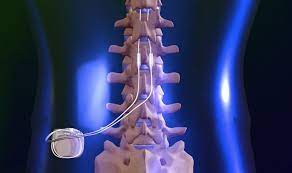
The spinal cord stimulators are small computers surgically wired into the spinal cord. The design is to treat chronic back pain by sending electrical pulses to mask nerve signals before they get to the brain.
Some studies have shown they are safe and effective. Independent scientists argue those studies are biased because they are funded by the manufacturers of the devices or run by surgeons who have received industry funding. As reported in JAMA (October 2022) the study found a stimulator was no better than a placebo for chronic back and leg pain following a spinal surgery. Institute for Musculoskeletal Health’s Dr Adrian Traeger has been writing a review of the evidence for spinal cord stimulators to treat back pain. He called on Medicare to stop subsidising the surgery until more evidence was collected.
An investigation by The Age in February 2022 revealed spinal cord stimulators, or the operations used to install them, had been linked to more than 500 serious complications reported to regulators – 79 per cent severe and 13 per cent life-threatening.
For further investigation read the research below.
5 Tips for Maintaining a Healthy Spine